
1. Add texture with your living room carpet
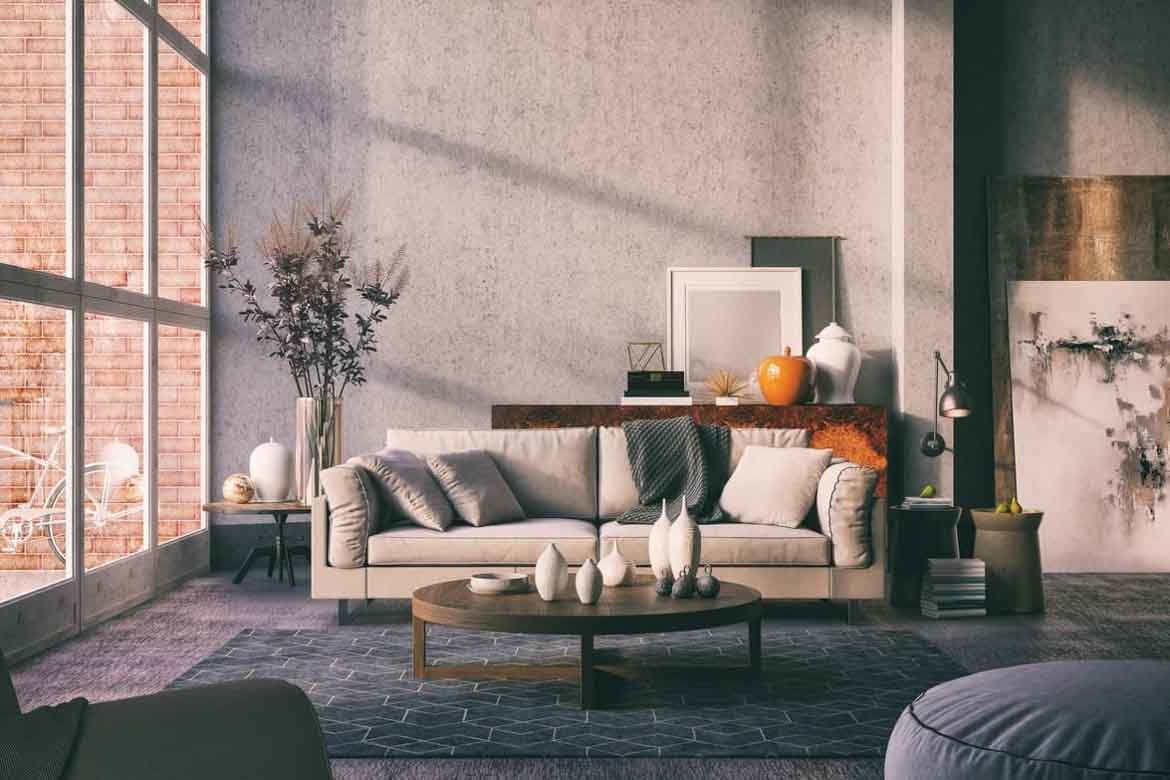
Regan wood
first woven by nomadic tribes out of reeds and grasses 5,000 years ago, rugs have been a mainstay of interior decor for millennia—and for good reason! often the unsung hero of home decor, rugs soften footfall, absorb noise and are excellent internal insulators, in turn helping to
cut down heating bills. Functionality aside, rugs can also totally transform a space by tying a color scheme together and adding texture, dimension and statement-making style. Another reason why you’ll rarely see a designer pass up the opportunity to utilize an area rug in a living room ? they set boundaries and define zones, delineating spaces solely dedicated to some much-needed r&r.
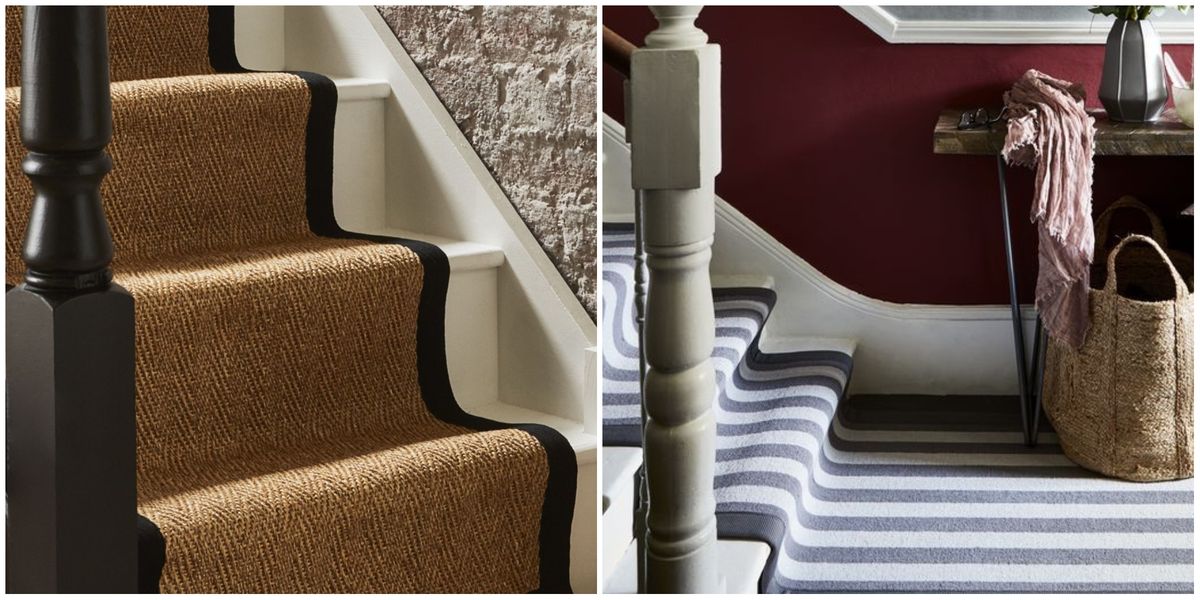
When choosing a rug for your living room, it's important to think about the material it’s made of, what kind of traffic it will receive, and how cosy you want it to be. Wool - highly durable and the hardest wearing fabric for a rug, making it perfect for heavy traffic areas. Viscose - known for its silky-soft texture and subtle sheen, this statement fabric is extremely soft underfoot. Cotton - lightweight and easy to clean at an affordable price, cotton rugs are great for those who like to change up their interior. Jute - very natural and surprisingly soft, jute is a great way to add a minimal, rustic look to your home.
‘saxony carpet’ is often a byword for luxury. Saxonys are best described as ‘plush, deep pile, super soft carpets’. They provide a gloriously indulgent look and are incredibly soft underfoot. By design, their natural ‘home’ is in the bedroom, or in a lounge or office where relaxation, warmth and texture is desired. Saxonys are generally woven very densely and like twist pile carpets, the denser the pile, the higher the price. Saxonys have a ‘cut pile’ which is a lot longer than a twist carpet’s and consequently it will show marks from foot prints, vacuums etc. , but most would argue that only this adds to the luxury appeal.
3. Stick with a neutral color for longevity
Nothing dates décor quite as noticeably as passé carpet colors. A faddish shade whose appeal has faded can make the whole vibe of a room obsolete. The designers’ trick to preventing a home from feeling like a time machine is to stick with classic neutrals while staying on trend in subtle ways, via interesting fibers and textures. To help you select the ideal carpet color for every room in your house, we’ve gone to the experts and curated the 13 best shades for this year—and years to come. Istockphoto. Com
real simple / lecia landis
the best living room rugs can instantly transform your space by adding color, texture, or pattern.
Whether you prefer a chic, minimal rug to imbue softness or a bright, patterned rug that brings life into the room, we have recommendations for any design style. To select the best living room rugs, we considered factors like pile height, material, design, color, size, and budget. For expert tips, we consulted interior designer kate lester of kate lester interior, who explained what to look for in an area rug that combines both form and function. Since this is the area of your home with the most foot traffic, lester suggests prioritizing pile height and material.