
Coping with Smoking Relapse

Medically reviewed by timothy j. 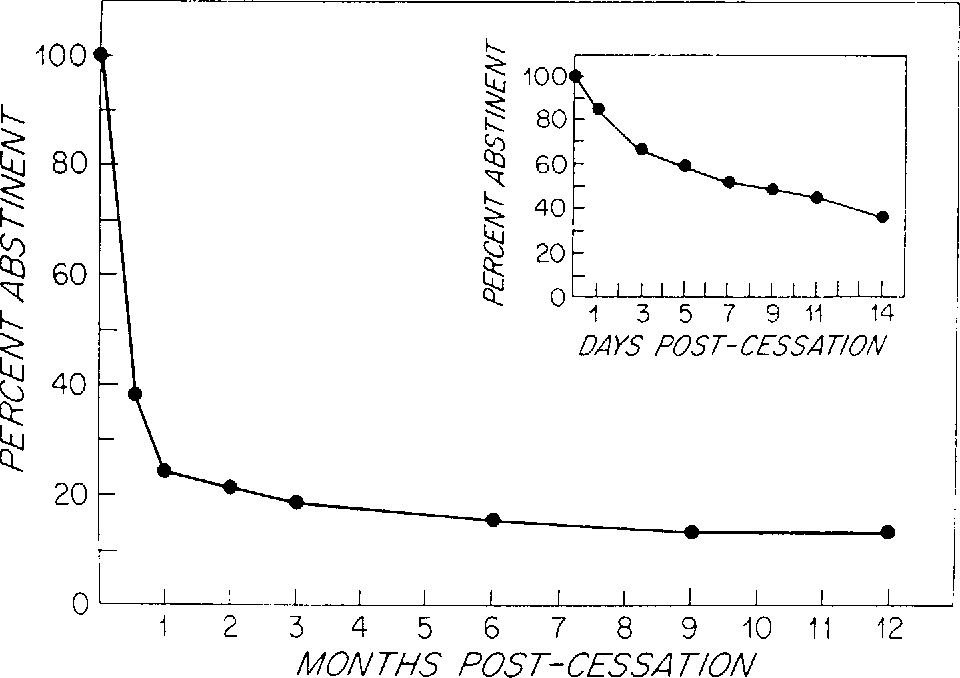 Legg, phd, psyd — by the healthline editorial team — updated on august 11, 2017 quitting smoking can be one of life’s most difficult challenges. You may need several attempts to finally reach your goal. The most common causes of relapse are stress , weight gain, and symptoms of nicotine and tobacco withdrawal. The good news is that there are helpful ways of coping with smoking relapse. “slips” may occur within the first week, months, or even years after you decide to quit smoking. While these unexpected urges may be dangerous, there are ways to cope with them.
Think about your past attempts at quitting. What was helpful? what made it difficult? what was the trigger that prompted you to pick up a cigarette again? once you've identified it, make a plan for handling it in the future. Learn from your slip, so that you'll be better prepared next time. This may also be a good time to rethink your quitting strategy. Consider trying a nicotine replacement therapy or joining a quit-smoking program, for instance. Negative emotions like depression, anxiety, and feeling overwhelmed are among the biggest contributors to relapse, says jorenby. A counselor, a support group or treatment program, or a telephone support line can help you learn coping skills such as how to address negative feelings, rather than masking them with a cigarette.
I Slipped Up, Now What?
Certain situations may tempt you to smoke. These are called triggers. Learn to recognize when you might slip, and plan ahead to cope with those situations. Think about when you slipped in the past. You may be more tempted to smoke when you: are around others who are smoking. Drink alcohol. Have easy access to cigarettes. Are there other situations that make you want to light up a cigarette?.
Stopping smoking after a relapse
Stay positive. Remember, you’ll be stronger next time because you’ll know what to look out for. Trying to stop smoking is a positive step and you should focus on this by: thinking of what you've achieved by stopping - even for a short time treating your relapse as “practice” for stopping smoking reminding yourself why you want to quit.
Smoking may also make it harder for your body to recover from relapses. Dmts can be very important in managing relapses and underlying damage caused by ms. But a disease modifying therapy (dmt) won’t protect you against the harm from smoking. Smokers have more relapses than non-smokers who take the same dmts. Studies have shown that at least two dmts are less effective in stopping relapses in people who smoke. These are the beta-interferon treatments (avonex, rebif, plegridy, betaferon and extavia) and natizilumab (tysabri).