
How long does nicotine stay in your system?
Nicotine concentrations vary in vape juice. You can find vape juice that is nicotine free to vape juice that has concentrations as high as 50 mg. Depending on the concentration, nicotine can linger in the body for a couple of days to an entire year. How long nicotine stays in your system greatly depends on the type of vape juice you use and its nicotine concentration.
Generally, it takes 1 to 3 days after you stop using tobacco for nicotine to clear your blood system and up to 10 days for cotinine (the major breakdown product of nicotine) to be gone. This is an estimate because people process nicotine differently depending on their genetics and it also depends on how much you inhale and how much nicotine is in the cigarette. Cotinine is the substance most often tested for with a nicotine test. Cotinine is the major metabolite of nicotine and does seem to have pharmacological effects, although more research is needed. Cotinine is usually the substance tested for because it is much more stable than nicotine and lasts for longer in the body.
The older you are, the longer it can take for nicotine to leave your system. People 65 and older do not metabolize the chemical as quickly as younger people. Reduced blood flow in the liver might contribute to this slower metabolism of nicotine.
How Long Does Nicotine Stay in Your System?
People are usually interested in how long nicotine remains in the system because their employer wants to test for nicotine—either as a condition of employment, or more commonly to determine the cost of health insurance. As unfair as it seems, employers and insurance companies don’t have to distinguish between cigarette smokers and users of nicotine in safer forms, like vaping or smokeless tobacco. Even the use of nicotine gum—which the fda approves for long-term use—can be treated as a health risk by employers, and lead to higher insurance prices for employees. Insurance companies consider the presence of nicotine a reliable indicator that the test subject is a tobacco user or a user of nicotine replacement therapy (nrt) products, which usually means an ex-smoker (and someone likely to return to smoking, as more than 90 percent of nrt users do).
The amount of nicotine in your blood rises just seconds after you light up. But how much you inhale and how much nicotine is in the cigarette both affect how much. People also process nicotine differently depending on their genetics. Generally, nicotine will leaves your blood within 1 to 3 days after you stop using tobacco, and cotinine will be gone after 1 to 10 days. Neither nicotine nor cotinine will be detectable in your urine after 3 to 4 days of stopping tobacco products. If you smoke menthol cigarettes or breathe in secondhand menthol smoke, cotinine may stay in your urine longer.
How long does nicotine stay in the body?
The levels of nicotine in milk are highest just after a mother finishes her cigarette and over the following two hours the concentration of nicotine in breast milk falls significantly. 15 the half life of nicotine in breast milk is variously quoted as 95 minutes (mohrbacher, 2020) or 120 minutes ( halesmeds. Com 2020). This means that nicotine levels in breast milk will have fallen by half after about one and a half to two hours after the mother finishes her cigarette. Based on the general guide that it takes five half lives to clear a substance from the body it may take about ten hours for nicotine to completely leave the mother’s blood or breast milk after one cigarette.
Medically reviewed by alan carter, pharm. D. — by danielle dresden on january 6, 2020 the safety and long-term health effects of using e-cigarettes or other vaping products still aren’t well known. In september 2019, federal and state health authorities began investigating an. We’re closely monitoring the situation and will update our content as soon as more information is available. Two hours after ingesting nicotine, around half the nicotine will have left the body. After quitting smoking, however, a person may experience significant withdrawal symptoms from a few days to two weeks, and psychological effects may last longer. Nicotine is the addictive substance in tobacco, cigarettes, and vapes or e-cigarettes.
Medically reviewed by philip ngo, pharmd — by heather hobbs — updated on june 22, 2023 the time nicotine stays in your system depends on how long and how often you’re exposed to it. It also depends on whether you smoked it, chewed it, or inhaled it second-hand. Whenever you smoke cigarettes or vape, chew tobacco, or inhale secondhand cigarette smoke, nicotine is absorbed into your bloodstream. From there, enzymes in your liver break most of the nicotine down into cotinine. The amount of cotinine will increase with the amount of nicotine you ingest. These substances are eventually eliminated through your kidneys as urine.
Nicotine is the primary agent in regular cigarettes and e-cigarettes, and it is highly addictive. It causes you to crave a smoke and suffer withdrawal symptoms if you ignore the craving. Nicotine is a toxic substance. It raises your blood pressure and spikes your adrenaline, which increases your heart rate and the likelihood of having a heart attack. Is vaping bad for you? there are many unknowns about vaping, including what chemicals make up the vapor and how they affect physical health over the long term. “people need to understand that e-cigarettes are potentially dangerous to your health,” says blaha.
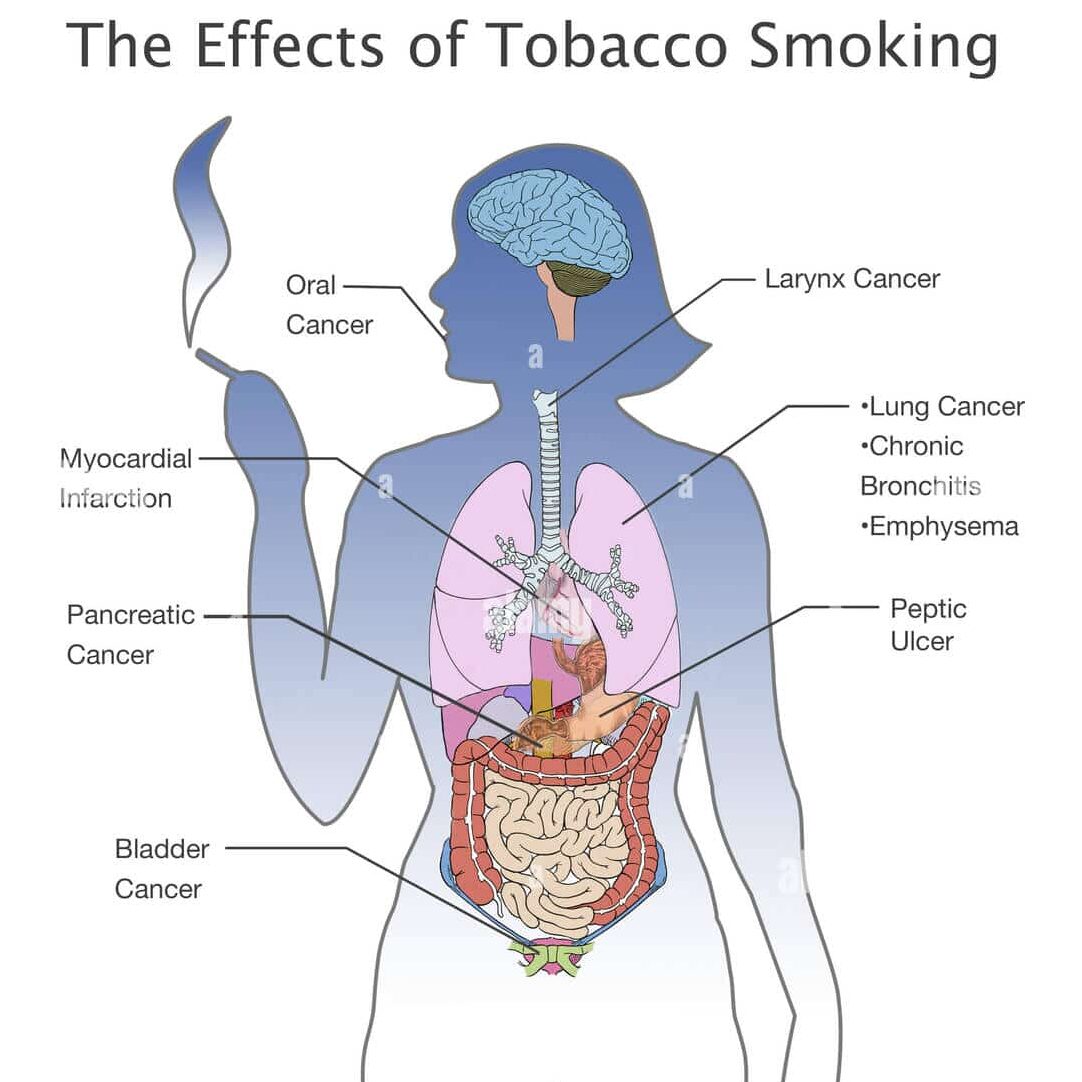
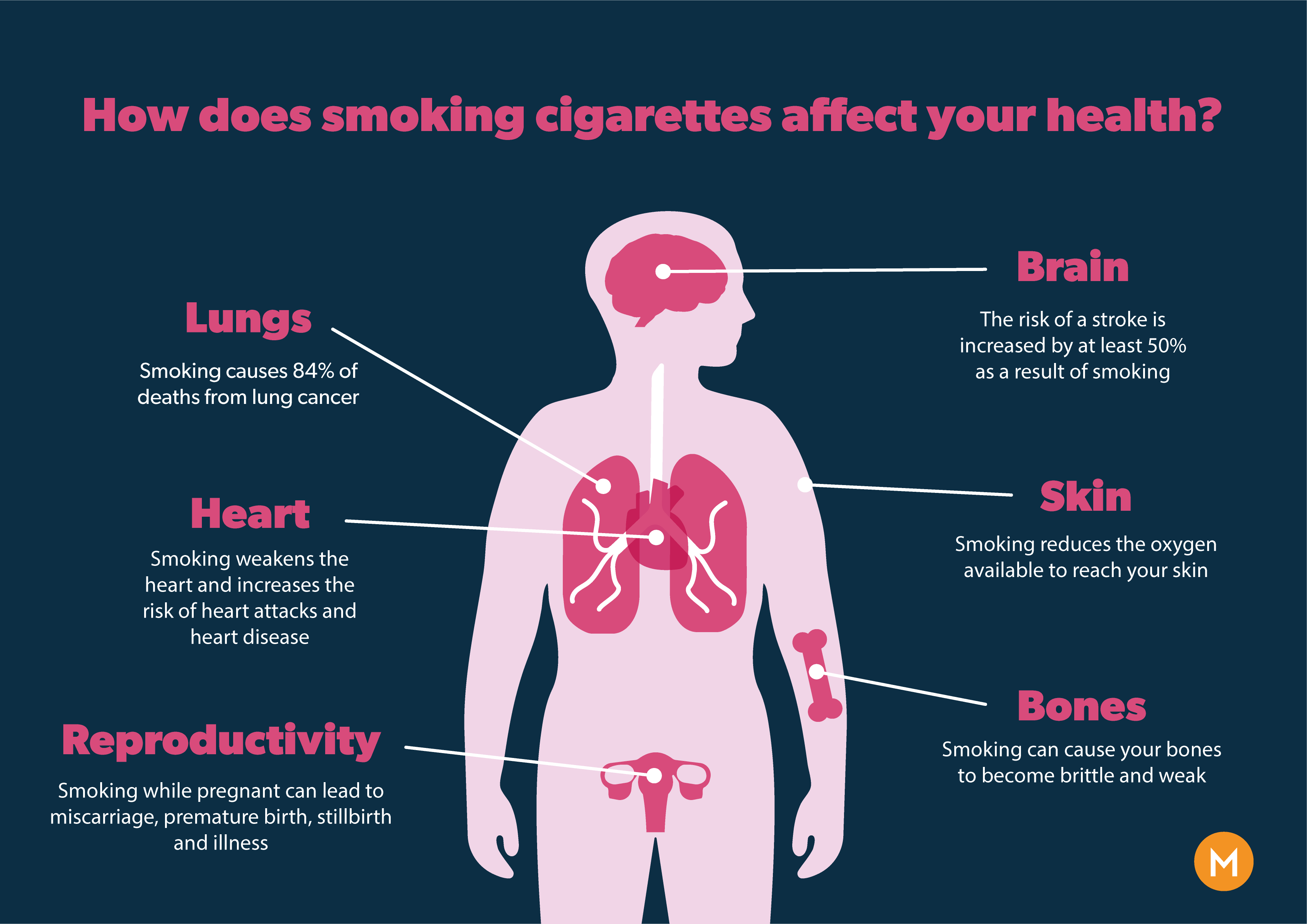
Tobacco use is the leading cause of preventable death in the united states. People who use or inhale it regularly, whether directly or through secondhand smoke, run the risk of developing several forms of cancer, cardiovascular disease, emphysema, stroke , acute respiratory illnesses, and other disorders. In this article, i’ll explain how long nicotine stays in your system—in your blood, urine, saliva, and hair follicles. I’ll talk about smoking versus vaping, and factors that determine the amount of nicotine going into your body. I’ll discuss some ways to clear nicotine from your body, and outline some withdrawal symptoms people experience when they quit.
Nicotine dependence occurs when you need nicotine and can't stop using it. Nicotine is the chemical in tobacco that makes it hard to quit. Nicotine produces pleasing effects in your brain, but these effects are temporary. So you reach for another cigarette. The more you smoke, the more nicotine you need to feel good. When you try to stop, you experience unpleasant mental and physical changes. These are symptoms of nicotine withdrawal. Regardless of how long you've smoked, stopping can improve your health. It isn't easy but you can break your dependence on nicotine. Many effective treatments are available.